DraftKings Links Electric Poker Across Michigan, Pennsylvania and New Jersey
The three-state pool is built on the MSIGA compact, while licensing, geolocation and player protections remain controlled state by state.
- DraftKings connected eligible Electric Poker players in Michigan, Pennsylvania and New Jersey on July 8.
- The three-handed, super-turbo No-Limit Hold’em product is expected to offer faster starts and more simultaneous games through the shared pool.
- The launch operates under the Multi-State Internet Gaming Agreement, while each state retains control over licensing, geolocation, approvals and player protections.
- Pennsylvania’s entry into MSIGA expanded the compact’s potential reach to more than 38 million Americans, according to the Pennsylvania Gaming Control Board.
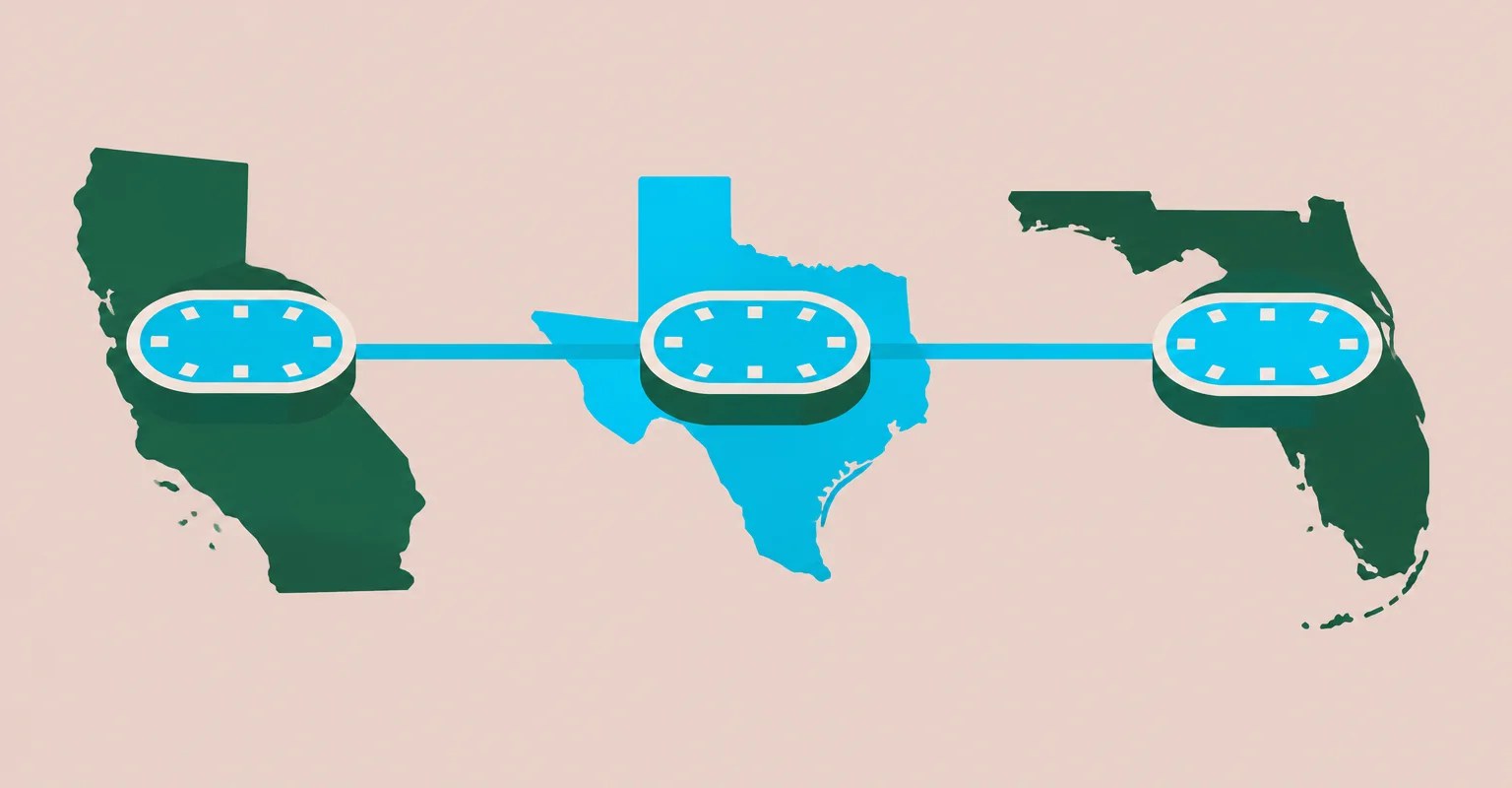
DraftKings has connected eligible Electric Poker players in Michigan, Pennsylvania and New Jersey into a shared three-state pool, a July 8 launch that gives its three-handed, super-turbo No-Limit Hold’em games a wider base of potential opponents.
Electric Poker is DraftKings’ only peer-to-peer poker product. Because each table begins when three players register, the immediate benefit is expected to be faster game starts and more simultaneous action across buy-in levels, rather than a change to the format itself.
The Michigan Gaming Control Board said it reviewed the platform and found DraftKings met all requirements for multistate internet poker. In Michigan, the product operates through the Bay Mills Indian Community, DraftKings’ operator partner for poker in the state.
The launch uses the Multi-State Internet Gaming Agreement, or MSIGA. Michigan joined the compact in 2022; its other members are Pennsylvania, New Jersey, Delaware, Nevada and West Virginia. DraftKings has so far linked only the Michigan, Pennsylvania and New Jersey markets.
The compact creates the legal basis for interstate games, but it is not a national license. States continue to control operator licensing, player-location checks, game approvals and consumer protections, while operators need authorization in every state where they offer the network. New or updated software must also be reviewed before launch and is subject to third-party laboratory testing.
Michigan additionally requires operators to set out how adjusted gross revenue and related tax revenue from multijurisdictional games will be allocated among participating jurisdictions before authorizing a launch. Players still must satisfy identity verification, geofencing, responsible-gaming controls and the operator’s account terms in the state where they are physically located.
The Seeker noted that the appeal of pooling is especially clear in peer-to-peer poker: a smaller standalone market can mean fewer available stakes, smaller tournament fields and longer waits for less popular games. A shared pool does not make accounts portable across state lines or remove local access rules, but it can improve game availability by bringing more active players to the same lobby.
The Pennsylvania Gaming Control Board said Pennsylvania’s entry as MSIGA’s sixth member expanded the compact’s player base by more than 50%, bringing the shared market’s potential reach to more than 38 million Americans, including an estimated 150,000 online poker players in Pennsylvania. The agency said multistate access could support larger prize pools without higher buy-ins.
Michigan regulator Henry Williams said the authorization reflected the Bay Mills partnership and the state’s regulatory process. He said the board would continue to hold multistate operators to standards for fairness, security and player protection.